
Patent Registration Services
Register your patent in India with D Biz Consultancy Private Limited. Secure your inventions and technical solutions with expert support and professional filing.
In today’s innovation-driven business environment
Patent Registration – Legal Protection
In today’s innovation-driven business environment, inventions and technical solutions are valuable intellectual assets for individuals, startups, and businesses. A new product, process, system, or technical improvement can create a strong competitive advantage and long-term commercial value. Patent Registration is a legal process that grants exclusive rights to the inventor or applicant over an invention. It protects the functional and technical aspects of a product or process and prevents others from making, using, selling, or importing the invention without permission. Without proper patent protection, an invention may be copied, commercially exploited, or used by competitors without authorization. A structured patent registration process helps establish legal ownership, strengthens enforcement rights, and supports commercialization of innovation. Governed by the Patents Act, 1970 and the Patents Rules, 2003, and administered by the Patent Office, patent protection is important for inventors, researchers, startups, manufacturers, and technology-based businesses. At D Biz Consultancy Private Limited, we provide professional end-to-end patent registration services, helping clients protect their inventions with clarity, technical accuracy, and legal support.

3. What is a Patent?
- A patent is a legal right granted by the government to an inventor for a new invention.
- It protects the functional and technical aspects of a product or process and gives the patent holder exclusive rights over the invention for a limited period.
- A patent protects a new invention
- It applies to the technical or functional features of a product or process
- It grants exclusive rights to prevent unauthorized making, using, selling, or importing
- It helps protect innovation from commercial exploitation by others
- It allows licensing, assignment, or commercialization of the invention
- It provides strong legal protection for technical innovation
2. Patent Registration – Legal Framework
Definition under the Patents Act, 1970
The Patents Act, 1970 provides legal protection to inventions and grants exclusive rights to the patentee to prevent others from making, using, offering for sale, selling, or importing the patented invention without authorization, subject to the provisions of the Act.
Key Legal Provisions Include:
- Protection is granted for new inventions that involve an inventive step and are capable of industrial application
- Patents protect functional and technical features, unlike design registration which protects appearance
- Patent applications may be filed with a provisional or complete specification
- Publication generally takes place after 18 months, unless early publication is requested
- Examination is conducted only after a request for examination is filed
- A granted patent is valid for 20 years from the date of filing for standard applications
Registration Authority
The process is administered by the Patent Office, under the Office of the Controller General of Patents, Designs and Trade Marks, which examines applications, issues examination reports, and grants patents where the legal requirements are satisfied.
Need expert guidance?
Our team is ready to help you with the registration process.
Types of Patent Applications & Importance
Patent applications can be filed in different forms depending on the stage of invention, filing strategy, and territorial requirements.
Types of Patent Applications
Provisional Application
Filed to secure an early filing date when the invention is still being developed. A complete specification must be filed within 12 months.
Complete Application
Filed with the full and final specification containing complete details of the invention, including claims and drawings where required.
Convention Application
Filed in India claiming priority from an earlier application filed in another convention country, subject to the applicable time limits.
PCT International Application
Used for seeking patent protection internationally through the Patent Cooperation Treaty route.
Divisional Application
Filed where an earlier application contains more than one invention.
Patent of Addition
Filed for improvement or modification of an invention already disclosed in the main patent.
6. Why Patent Registration is Important
Patent registration is important because it protects the technical innovation of an inventor and gives the owner exclusive legal rights over its use. It helps prevent others from commercially exploiting the invention and supports long-term business value.
Exclusive Rights
Gives the owner exclusive legal control over the invention
Prevents Unauthorized Use
Stops competitors from making, using, or selling the patented invention
Supports Commercialization
Enables licensing, assignment, and royalty generation
Helps Recover R&D Investment
Protects the commercial value of research and development
Creates Intellectual Property Asset
Adds value to the business as a recognized IP asset
Strengthens Market Position
Gives the inventor a technical and competitive advantage
7. Documents Required for Patent Registration
The documents required for patent registration may vary depending on whether the applicant is an individual inventor or a company/LLP, but proper documentation is essential in all cases. Patent filing also requires technical documentation in addition to identity and business documents.

For Individuals / Inventors
Personal Identity & Technical Proof

For Companies / LLP
Entity Registration & Technical Details
Proper and accurate documentation plays a crucial role in the patent registration process. It helps ensure correct filing, smooth examination, and stronger legal support for the invention.
8. Step-by-Step Patent Registration Process
We implement a highly structured 11-step approach to ensure technical accuracy, legal compliance, and maximum protection for your innovation.

Preparation of Application
The process begins with collecting complete details of the applicant and the invention. At this stage, the invention is reviewed to determine whether it is new, involves an inventive step, and is capable of industrial application. Technical documents and drawings are finalized.

Patent Search
A prior-art or patent search is generally conducted to assess novelty and identify similar existing inventions or publications. This helps evaluate the chances of patentability and reduces the risk of rejection during examination.

Drafting of Specification
The invention is described in detail through a provisional or complete specification, including technical background, detailed description, abstract, and claims. The claims define the legal scope of protection.
Filing of Patent Application
The application is filed with the Patent Office in the prescribed form along with the required fee. If filed provisionally, the complete specification must be filed within 12 months.

Application Number Generation
After successful filing, an official application number is generated. This serves as acknowledgment of submission and is used for tracking the status of the patent application.
Publication of Application
Applications are generally published after 18 months from filing, unless early publication is requested. Publication makes the application visible in the official records.

Request for Examination
A request for examination must be filed in the prescribed form. After publication and filing of the request, the application is taken up for examination by the Patent Office.

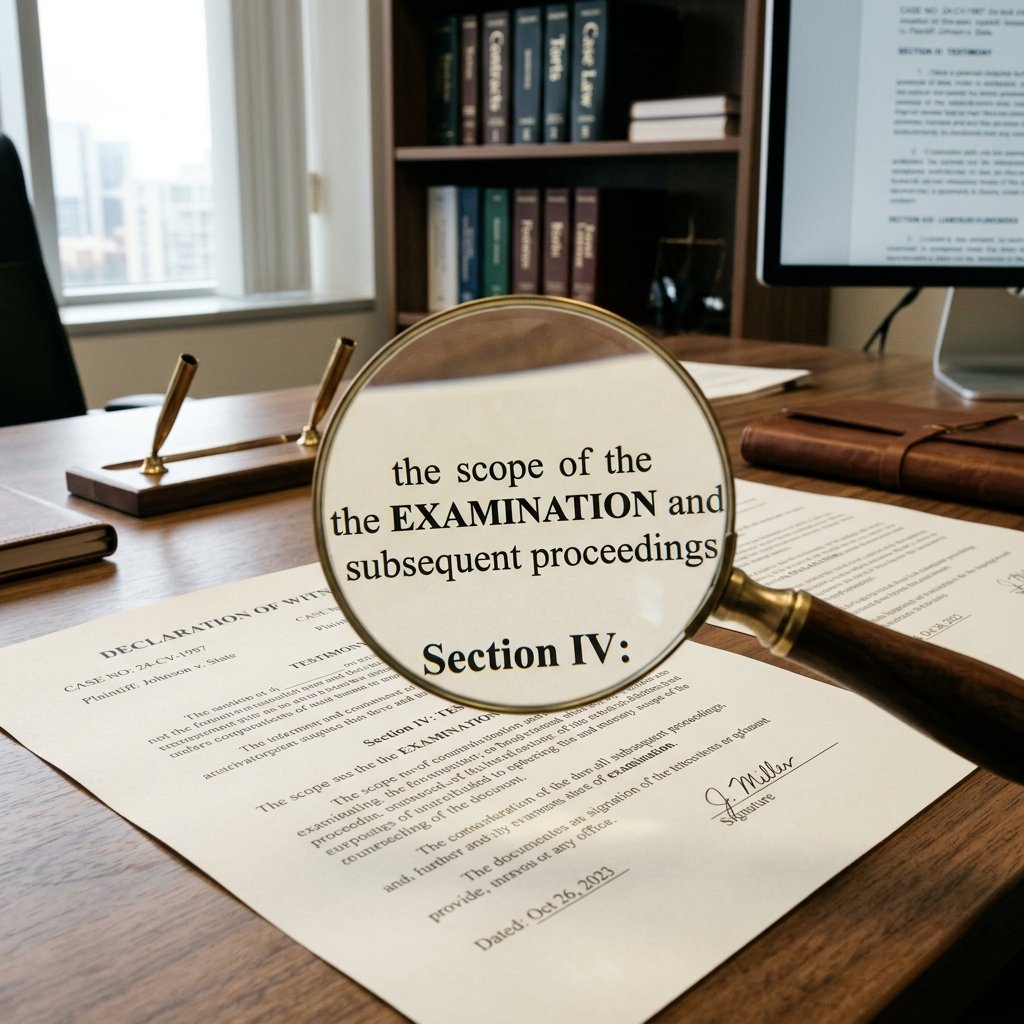
Examination and FER
The Patent Office examines the application for novelty and industrial applicability. If objections arise, they are communicated through the First Examination Report (FER).

Reply to FER / Hearing
The applicant must submit an appropriate reply within the prescribed time and may also need to attend a hearing if required. Proper technical response is essential at this stage.

Grant of Patent
Once all legal and technical requirements are fulfilled and objections are resolved, the patent is granted and recorded in the official register.
Post-Grant Maintenance
After grant, renewal fees must be paid to keep the patent in force for the full term. If renewal fees are not paid, the patent may lapse.

Technical Innovation
Protecting products, processes, and systems that drive industrial progress.
5. What Can Be Patented?
An invention may be considered for patent protection if it satisfies the legal requirements. In general, an invention must be new, involve an inventive step, and be capable of industrial application.
Common Examples:
- MechanicalNew machines, devices, or mechanical systems
- IndustrialNew manufacturing methods or processes
- ChemicalNew compositions or formulations
Certain subject matter is not patentable, such as mathematical methods, abstract ideas, and mere discoveries, among other exclusions.
9. Timeline & Validity
Filing
Application Filing
Same day submission, subject to document readiness
Months
Publication
Publication occurs after 18 months from filing/priority date
Request
Examination
Examination begins after filing Request for Examination (RFE)
Wait
Examination to Grant
Commonly takes several months to years depending on complexity
Years
Patent Grant
May take around 2 to 4 years or more depending on backlog
Years
Validity of Patent
20 years from the date of filing for standard applications
Annual renewal fees are required to keep the patent in force. The timeline may vary depending on publication, request for examination, objections, hearings, and processing time.
10. Patent Rights and Protection
Exclusive Right to Use the Invention
The patent holder gets exclusive legal rights over the invention, ensuring full control over its commercial use.
Prevent Unauthorized Exploitation
Others can be restrained from making, using, selling, or importing the invention without permission.
Right to License, Assign, or Sell
A patent can be commercially transferred, assigned, or licensed for revenue generation and market expansion.
Legal Protection Against Infringement
The owner can take legal action against infringement and enforce technical rights effectively through statutory routes.
Strengthens Innovation and Market Position
A patent improves technical standing, brand value, and competitive strength in the business environment.
11. Common Challenges and Risks
Patent registration is a technical and legal process that may involve several challenges if the application is not properly prepared, drafted, or prosecuted.
If similar prior art already exists, the invention may not qualify for registration during examination.
Poor specification or claim drafting may weaken protection or lead to refusal by the Patent Office.
If the invention is obvious to a skilled person, it may be rejected as per the legal provisions.
Delay in filing complete specification, examination request, or replies may affect the application status.
Incomplete or unclear technical disclosure in documentation may create major issues during prosecution.
Patent prosecution and post-grant renewals require constant planning, monitoring, and follow-up.
Patent rights are territorial and separate filing strategy may be needed for other countries.
With proper guidance, accurate drafting, and professional support, these challenges and risks can be effectively minimized.
12. Why Choose D BIZ CONSULTANCY for Patent Registration?
Protecting an invention requires more than simply filing a patent application. Patent registration involves proper patentability assessment, technical drafting, legal compliance, timely filing, and continuous follow-up with the authorities. Any error, weak drafting, or missed deadline may lead to objections, delay, or rejection.
D BIZ CONSULTANCY provides complete support to make the patent registration process smooth, accurate, and professionally managed. We assist clients from the initial stage of evaluating the invention up to the final stage of grant and post-grant support, helping ensure that innovation is legally protected without unnecessary complications.
How We Support You
Initial Review
Pre-Filing Assistance
- Patent search and review
- Patentability analysis
- Guidance on filing strategy
- Application type identification
Documentation
Filing Support
- Drafting specification
- Preparation of forms
- Verification of documents
- Accurate official filing
Follow-Up
Examination Handling
- Status tracking
- Responding to FER
- Hearing coordination
- Registry follow-up
Post-Grant
Assistance
- Renewal guidance
- Licensing support
- Protection advisory
- Ongoing IP assistance
What You Need to Provide
To begin your patent registration journey, we require a few essential details to ensure the application is technically complete and accurate.
Professional Guidance
Experienced support at every stage of the process
Complete Management
End-to-end assistance from review to grant
Accurate Filing
Careful handling of drafting and technical requirements
Transparent Support
Simple communication and smooth coordination
Timely Follow-Up
Active monitoring to reduce delays
With D BIZ CONSULTANCY, your patent registration is handled with care, clarity, and professional attention, allowing you to focus on innovation while we take care of the process.
Frequently Asked Questions
Essential knowledge for patent protection and compliance.